Welcome to the November 2026 Learning Brain News.
As always, it is packed with ideas and links that you may find interesting.
Here are some that especially caught our attention:
-
How to stop procrastination
-
Is the increase in ADHD and autism due to changing diagnostic patterns
-
Voice patterns may relate to speed of brain aging
Enjoy,
The Learning Brain News Team
Latest Research
Could Your Voice Reveal How Fast Your Brain Is Aging?
A machine-learning speech clock reveals biological aging, brain atrophy, and dementia biomarkers from voice patterns.
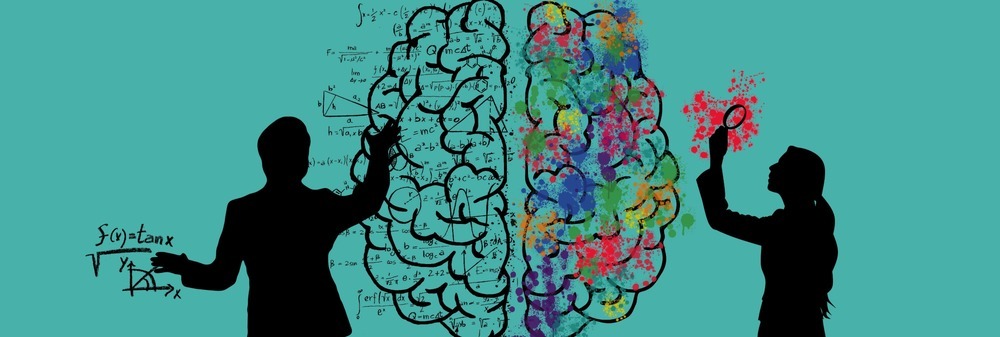
Is Your Brain Two Separate Organs? Some Scientists Think it May Be.
Scientists have found that the human brain develops from two distinct cellular systems, suggesting that evolution fused together two ancient nervous systems with very different jobs. This opens new possibilities for studying ALS, spinal muscular atrophy, and other brainstem diseases.
ADHD & Autism
Why ADHD and Autism Diagnoses Have Surged - Large Study
A large Danish study found that children diagnosed with ADHD or autism today more closely resemble their peers in the general population than those diagnosed 10 years ago. The shift suggests that rising diagnosis rates may partly reflect broader identification and changing diagnostic patterns, rather than only an increase in the underlying conditions.
The Learning Success Blog
How to Improve your Child’s Social Skills
Are you concerned your child's social skills may not be up to scratch?
This Blog will show you strategies, tips and activities to help your children improve their social skills. You will also learn where to look for online programs and professional help. And if you want to dive deeper into the topic, there are some links to resources from around the world.
Free Download
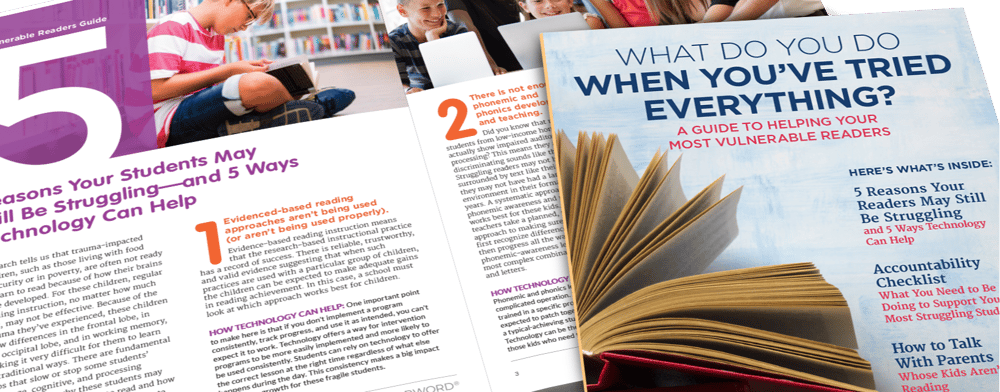
The Vulnerable Readers Guide
For many children who struggle with reading, regular reading instruction, no matter how much of it, may not be effective. Download the Vulnerable Readers Guide here for other approaches.
Book of the Month
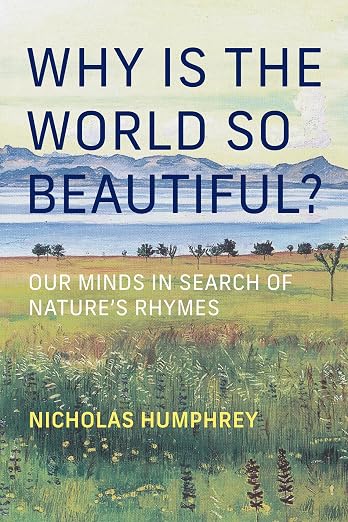
Why Is the World So Beautiful?: Our Minds in Search of Nature's Rhymes
In Why Is the World So Beautiful?, neuropsychologist Nicholas Humphrey explores why we are drawn to beauty and how it shapes our understanding of the world. He suggests that our appreciation of patterns and connections helps train our brains, making beauty an important part of how we learn, think and find meaning.
Something Interesting
How to say ‘no’ to your child – and stick to it
72% of students say they procrastinate. Here’s how to stay on track
Why are some people better at math than others?
Product name
Lorem ipsum dolor sit amet, consectetur adipiscing elit, sed do eiusmod tempor incididunt ut labore et dolore magna aliqua.

Product name
Lorem ipsum dolor sit amet, consectetur adipiscing elit, sed do eiusmod tempor incididunt ut labore et dolore magna aliqua.

Product name
Lorem ipsum dolor sit amet, consectetur adipiscing elit, sed do eiusmod tempor incididunt ut labore et dolore magna aliqua.
Product name
Lorem ipsum dolor sit amet, consectetur adipiscing elit, sed do eiusmod tempor incididunt ut labore et dolore magna aliqua.


Product name
Lorem ipsum dolor sit amet, consectetur adipiscing elit, sed do eiusmod tempor incididunt ut labore et dolore magna aliqua.
How to Help all Students Get the Skills they
Need for Learning Success

Helping
your Students
Use Neuroscience & Artificial Intelligence for better student outcomes

Maths
Struggles
Improve maths skills in 10 minutes a day with the Make Learning Maths Easier eBook
-1-1.png)
Your Learning Business
Get better student outcomes and business satisfaction by becoming a LearnFast Provider
"Lorem ipsum dolor sit amet, consectetur adipiscing elit. Duis accumsan velit sit amet sagittis malesuada."
Latest posts
Lorem ipsum dolor sit amet, consectetur adipiscing elit.
Contact us
Lorem ipsum dolor sit amet, consectetur adipiscing elit.